

Shop
Showing 37–48 of 130 results

Elvis and the Feathers School of Music
A music school for "birds only" is having a concert where its performers will be able to develop their potential further. Elvis the frog dreams of singing at this important event. But can he ever be accepted? Written by Emily Lim and illustrated by Laura Liberatore. This is part of the 4-book series commissioned by the Ministry of Social and Family Development, in conjunction with the United Nations Convention on the Rights of the Child.
“Children have a right to survival and development in all aspects of their lives, including the physical, emotional, psycho-social, cognitive, social and cultural.” – Article 6 of the United Nations Convention on the Rights of the Child
ISBN: 978-981-07-5381-8 (paperback) | 2013
ISBN: 978-981-07-5382-5 (e-book)
SUBJECTS: Children/General | 24 Pages
Published by: Ministry of Social and Family Development
Produced by: Write Editions
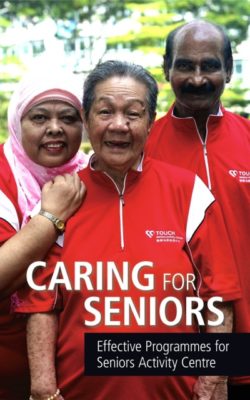
Caring For Seniors
The guidebook is dedicated to inspire and impart knowledge, skills and experiences to staff of different Seniors Activity Centres (SACs) , so that they can be enabled to extend effective services to meet the all-compassing needs of a senior — physical, mental, social, emotional, living conditions, etc. Its contents have been produced by one of SAC pioneers in Singapore, TOUCH Seniors Activity Centre, which opened in 1998.
Read more
Caring For Yourself And Others
Caring for Yourself and Others After a Death is meant for both people who have lost a loved one and those supporting them. For the bereaved, it provides a brief overview of what different people may experience and tips on taking care of oneself. For those supporting the bereaved, it provides suggestions on how to care for them in different contexts and situations. Whether a loss happens in a family, school, workplace or community, there are ways we can be more supportive and compassionate towards people in grief.
Mental Health Matters
Mental Health Matters: Handbook for Grassroots Leaders aims to enhance mental health literacy among the grassroots leaders. It is published based on the observations of Silver Ribbon (Singapore) of their needs and concerns for residents. With this publication, we hope to help grassroots leaders to understand the importance of mental health and definition of recovery, recognise signs and symptoms of mental health disorders, adopt appropriate terms while communicating with residents with mental health issues, learn effective ways to manage residents with mental health issues during various situation and take care of their own mental well-being
ISBN: 978-981-09-7279-0 (paperback) | 2015
SUBJECTS: Mental Health/General Reference | 72 Pages
Published by: Silver Ribbon (Singapore)
Produced by: Write Editions
Mind: Your Business
Mental health is everyone’s concern. Regrettably, the subject of mental health remains a stigma in many modern societies, including Singapore’s. This booklet Mind: Your Business is an attempt to help readers recognise and appreciate the varied aspects of mental health, and to equip them with relevant information to support people with mental health issues. Its aim is to inspire a more gracious and inclusive Singapore.
ISBN: 978-981-09-7281-3 (paperback) | 2015
SUBJECTS: Mental Health/General Reference | 72 Pages
Published by: Silver Ribbon (Singapore)
Produced by: Write Editions
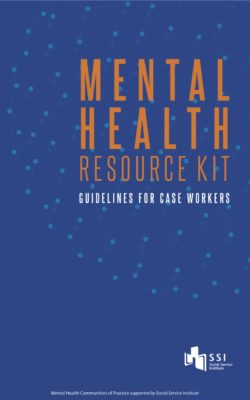
Mental Health Resource Kit
“Mental Health Resource Kit” serves as a guide to aid case workers in the mental health community to better serve clients with mental conditions. It covers essential areas such as:
• The most common mental health issues • The risk and protective factors of mental health
• Key recommendations and guidelines for case workers.
Read more
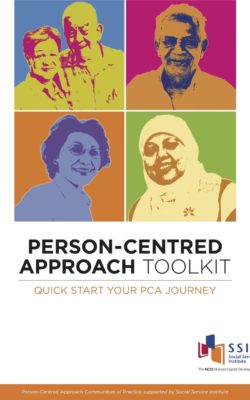
Person-Centred Approach Kit
This Person-Centred Approach (PCA) Toolkit aims to inspire and equip caregivers to move towards the person-centred approach. You can apply the principles and tools featured across different eldercare settings. Presented in an easy-to-understand format and featuring four pillars – Philosophy, People, Place, and Programme – you will be led to understand the PCA rationale and concept.
Read more
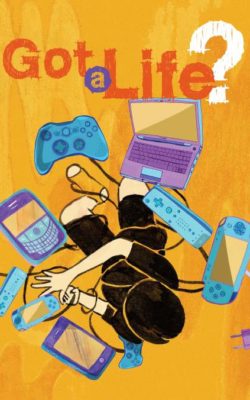
Got A Life?
This book is a collection of real-life stories of youths in their early to late teens. It is about their encounters with cyber issues and how they overcome them. Written in a candid way, each chapter captures different cyber dangers, such as gaming addiction, online scams and even sexual harassment. It also features problems youths face today, lessons learnt and practical tips from cyber wellness counsellors. For parents and teachers, the ready-to-use instructions will help them guide their teens and students to make safe, smart, and ethical decisions in the digital world, in order to stay cyber safe, and cyber well.
Read More
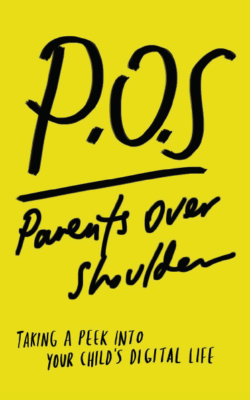
P.O.S. Parents Over Shoulder
P.O.S or Parents Over Shoulder invites you to take a peek into your children’s digital life. Written from teenagers’ perspectives, through letters addressed to parents, you will have a better understanding of the digital world they live in and how to connect with them more effectively in this digital age. Tips from cyber wellness counsellors are also provided in this book to help you better understand your children’s online motivations, learn more about the invisible virtual world and introduce simple methods of connecting with them.
Read More
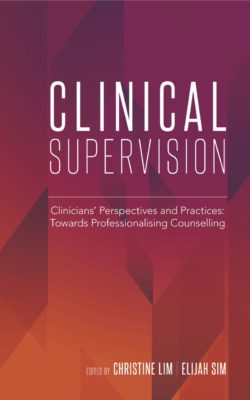
Clinical Supervision
“Clinical Supervision” offers various perspectives of clinical supervision, with rich anecdotal examples of actual supervisory practices. Written by authors who practise counselling and supervision in their daily work, this book is not simply a collection of theoretical ideas, but a demonstration of how such ideas are experienced in supervisory challenges and practices. It is written with the aim of delivering the ultimate dividends for clients – their wellbeing.
Read more

Lord Of The Nations
Christians today desperately need a deeper understanding of the complete story of the Bible. The contemporary Church, in reading Scripture, is to first and foremost seek questions about the character of God, and not be mired in the trenches of self-centered questions. Lord of the Nations addresses an issue that is of critical significance for every believer: the question of how we read the Bible. Author and Bible scholar Dr. David J. Miller shows how the Bible is one glorious narrative of God’s unmistakable, merciful working throughout history, to the present and to the end of time.
Read more
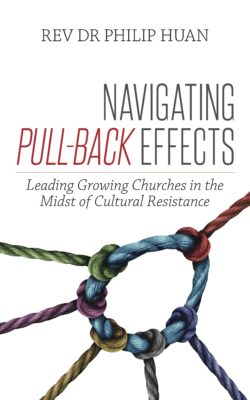
Navigating Pull-Back Effects
When a leader seeks to bring change in a church, there may be a “laden baggage”—a cultural resistance—that could pull back on leadership efforts and resist positive change. Many external leadership methods, while important and needful, often advocate pushing through the resistance, moving resistive elements to the periphery so that positive change can occur. Yet, such an approach alone may result in hurts and suppressed emotions which could inevitably return to haunt at a later stage. How may a leader lead differently, using internal leadership methods, to navigate cultural resistance in the hearts and minds of people? Philip seeks to share cultural resistances he has observed that often block positive leadership change.
Read more